Explore Categories

Spine Care
Learn about spine conditions, common symptoms, and treatment options. Our specialists help diagnose and treat back and spine problems so you can move comfortably again.

Common Spine Conditions
Understand the most common spine problems that can cause back pain, nerve discomfort, or mobility issues.
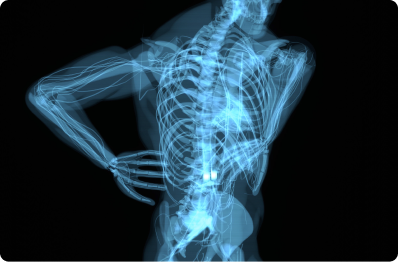
Diagnosis & Imaging
Accurate diagnosis is essential for effective spine treatment. Specialists use advanced imaging and clinical evaluations to understand the root cause of pain.

Treatment & Recovery
Most spine conditions can be treated with a combination of modern therapies, rehabilitation, and minimally invasive procedures when necessary.
When Should You See a Spine Specialist?
- ✓Persistent back or neck pain
- ✓ Pain that spreads to the arms or legs
- ✓ Numbness or tingling sensations
- ✓Weakness in muscles
- ✓ Difficulty walking or standing for long periods
Orthopedics
Orthopedics focuses on diagnosing and treating problems related to bones, joints, ligaments, muscles, and tendons. Our specialists help patients recover from injuries, manage chronic pain, and restore movement so they can return to daily activities comfortably.

Common Orthopedic Conditions
Orthopedic specialists treat a wide range of conditions affecting the body’s musculoskeletal system.
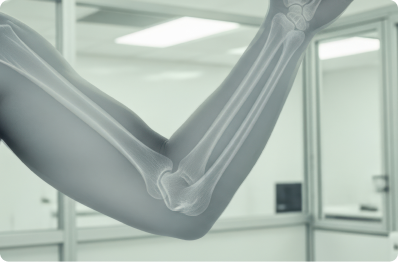
Diagnosis & Imaging
Orthopedic doctors use advanced diagnostic tools to accurately identify bone and joint conditions.

Treatment & Recovery
Orthopedic treatment focuses on restoring movement, reducing pain, and improving overall joint function.
When Should You See an Orthopedic Specialist?
- ✓Persistent joint or bone pain
- ✓ Swelling or stiffness in joints
- ✓Difficulty moving or walking
- ✓Sports or accident-related injuries
- ✓ Pain that does not improve with rest
Pain-muscular
Muscular pain can occur due to overuse, injury, tension, or underlying health conditions. Our specialists help identify the cause of muscle discomfort and provide treatments that reduce pain, improve flexibility, and restore normal movement.

Common Muscle Pain Conditions
Muscle pain can develop from everyday activities, sports injuries, or chronic conditions affecting muscles and soft tissues.
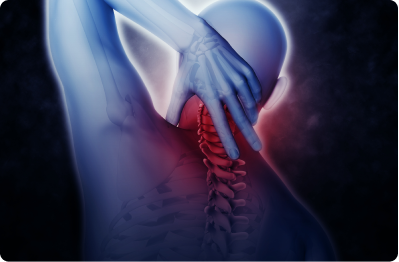
Diagnosis & Evaluation
Identifying the exact cause of muscle pain is important for effective treatment. Specialists evaluate symptoms and may use diagnostic tools to understand muscle function and injury.
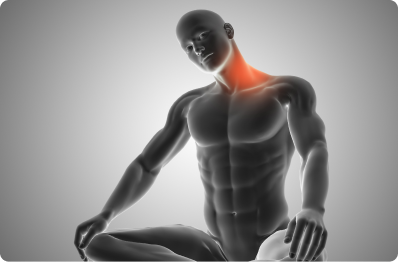
Treatment & Pain Relief
Muscle pain treatments focus on relieving discomfort, improving mobility, and preventing future injuries.
When Should You Seek Help for Muscle Pain?
- ✓ Muscle pain lasting more than a few days
- ✓ Severe pain after injury or exercise
- ✓Swelling or weakness in muscles
- ✓ Difficulty moving or performing daily activities
- ✓Recurring muscle discomfort
Neurosurgery
Neurosurgery focuses on diagnosing and treating conditions affecting the brain, spine, and nervous system. Our specialists provide advanced surgical and minimally invasive treatments to manage complex neurological disorders and improve patient outcomes.
Common Neurosurgical Conditions
Neurosurgeons treat a range of conditions that affect the brain, spinal cord, and nerves.
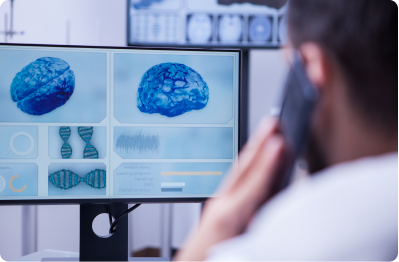
Diagnosis & Advanced Imaging
Accurate diagnosis is essential for neurosurgical treatment. Specialists use advanced imaging technologies to understand the condition and determine the best treatment approach.

Surgical Treatment & Recovery
Modern neurosurgery uses advanced techniques designed to minimize risks and support faster recovery.
When Should You Consult a Neurosurgeon?
- ✓ Persistent or severe headaches
- ✓ Numbness or weakness in limbs
- ✓ Loss of balance or coordination
- ✓ Chronic back pain affecting nerves
- ✓ Symptoms related to brain or spinal injuries
Neurology
Neurology focuses on diagnosing and treating disorders of the brain, spinal cord, and nervous system. Our specialists help patients manage neurological conditions that affect movement, memory, sensation, and overall nervous system function.
Common Neurological Conditions
Neurologists diagnose and treat conditions that affect the brain and nervous system.

Diagnosis & Neurological Evaluation
Neurological conditions require detailed evaluation to understand how the brain and nerves are functioning.
Treatment & Long-Term Care
Neurological treatments focus on managing symptoms, improving nerve function, and supporting long-term health.
When Should You See a Neurologist?
- ✓ Frequent or severe headaches
- ✓ Numbness or tingling in the body
- ✓ Memory or concentration problems
- ✓ Seizures or sudden loss of awareness
- ✓ Difficulty with balance or coordination
Imaging: CT/MRI/X-Ray
Medical imaging helps doctors see inside the body to diagnose injuries, diseases, and internal conditions. Advanced imaging technologies provide detailed insights that support accurate diagnosis and effective treatment planning.
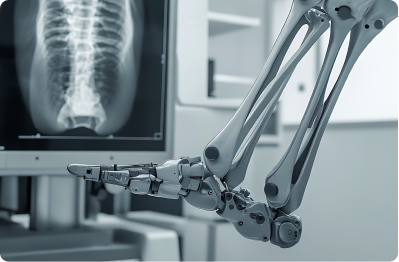
Common Imaging Services
Different imaging technologies are used depending on the condition being evaluated.
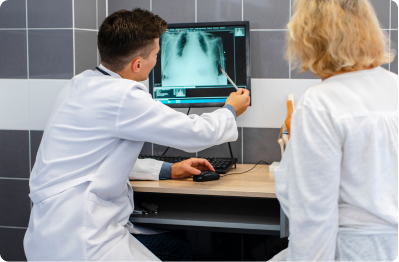
How Imaging Helps Diagnosis
Medical imaging plays an important role in identifying internal problems that cannot be detected through physical examination alone.
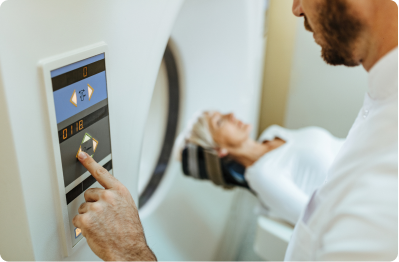
Safe & Advanced Technology
Modern imaging systems are designed to provide clear results while prioritizing patient safety and comfort.
When Do You Need Medical Imaging?
- ✓ Persistent pain or injury
- ✓ • Suspected fractures or bone damage
- ✓Neurological symptoms such as headaches or dizziness
- ✓Neurological symptoms such as headaches or dizziness
- ✓Neurological symptoms such as headaches or dizziness
Upgrade Your Healthcare Workflow
Experience how Apex CRM can transform your patient engagement and call center
efficiency today.